Friday, 19 June 2015

5 Exercises You Probably Don't Do... But Should... Probably

Catchy title ay?..

Anyway, short on time and off the top of your head, you can probably name your favourite (and most used) couple of exercises for your chest, your back and your legs (don't worry if not - that's not the important part).

However, there are thousands upon thousands of exercises and/or exercise variations available. Some better than others and some that should be ignored forever in my opinion.

However, there are a handful of brilliant exercises that most people (not ALL people) overlook in their training regime. They have a great deal of benefits, can be a real test to your athletic ability no matter what your experience and can also help to transform not only your physique, but also your general wellbeing.

Here's my top 5 along with the key muscle groups involved and also key benefits.

1) Turkish Get-Ups
MUSCLE GROUPS INVOLVED: All of them...
BENEFITS: Promotes mobility, isometric strength and proprioception as you aren't able to look at many of the moving body parts. It's also a multi-plane movement unlike many gym exercises.
REASONS PEOPLE IGNORE THEM: They're hard, they've never heard of them, there's lots of elements to learn, they can't figure out the point of them, they're hard!
HOW DO YOU DO THEM? Video Here 

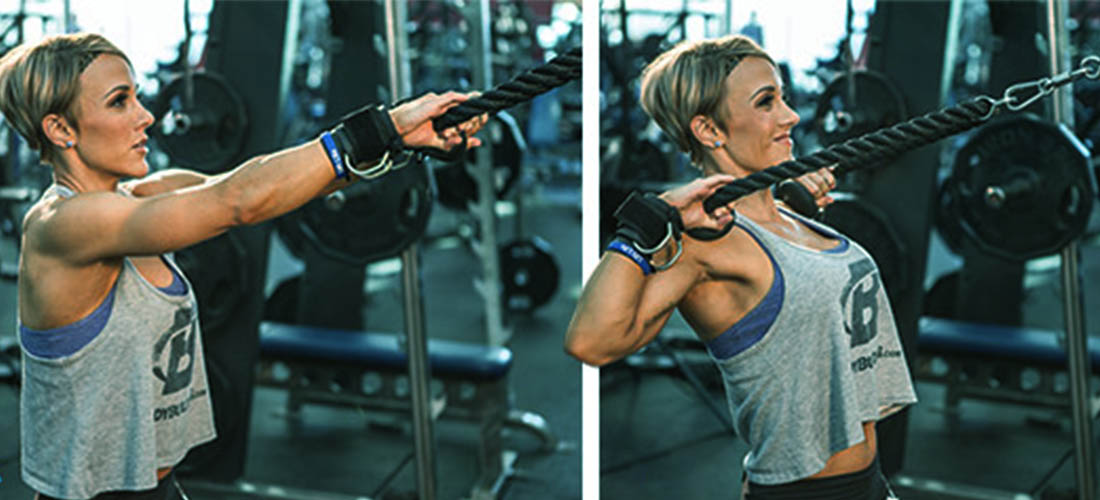
2) Face Pulls
MUSCLE GROUPS INVOLVED: Rear deltoids and upper back
BENEFITS: Can have a real impact on not only developing your rear deltoids but also improving shoulder mobility, reducing chest tension and improving posture.
REASONS PEOPLE IGNORE THEM: They tend to focus on bigger pulling exercises for back workouts. Personally, I like to add these at the ends of all pushing sessions to reduce pectoral tension.
HOW DO YOU DO THEM? Video Here

3) Single leg Romanian Deadlifts
MUSCLE GROUPS INVOLVED: Hamstrings, glutes, lower back
BENEFITS: Improve mobility, posterior strength, the balance of strength between legs, hip hinge and also proprioception.
REASONS PEOPLE IGNORE THEM: They don't trust their balance or they have poor hinge capabilities.
HOW DO YOU DO THEM? Video Here 

4) Z-Press
MUSCLE GROUPS INVOLVED: Shoulders, core and posterior chain
BENEFITS: Improves shoulder, hamstring and hip mobility, also helps to spot weaknesses in shoulder and core strength. Also isolates the shoulders and forces you to press with the shoulders alone while improving core balance and stability.
REASONS PEOPLE IGNORE THEM: They can press more weight when standing or seated on a bench. Mobility may also be a real limitation for some people.
HOW DO YOU DO THEM? (you can obviously use a barbell) Video Here 

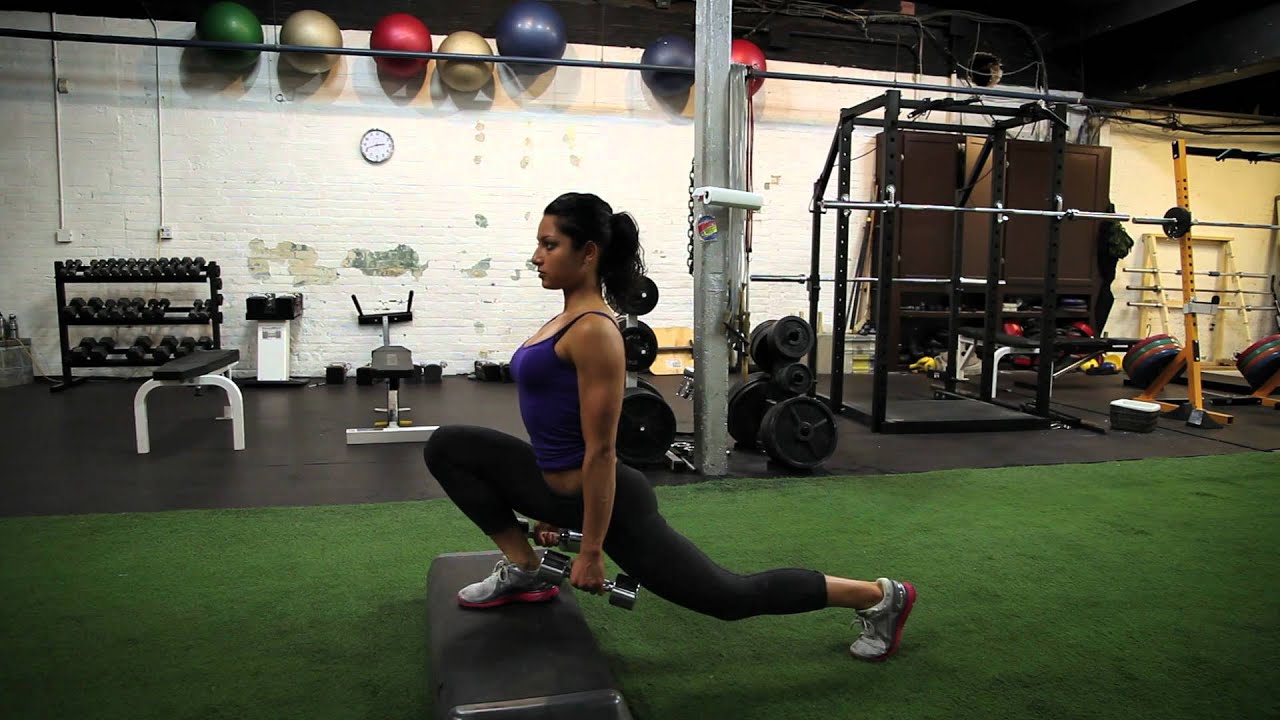
5) Front Foot Elevated Split Squat (Bulgarian Split Squat)
MUSCLE GROUPS INVOLVED: Quadriceps, Glutes, Hamstrings
BENEFITS: Low impact but great range to improve mobility and recruit large areas of muscle in the upper leg. Also a great warm up mobility drill if you perform it as in the video below (back leg almost straight).
REASONS PEOPLE IGNORE THEM: Requires balance, you can't do it with much weight, they don't understand the mobility benefits that can come from it.
HOW DO YOU DO THEM? Video Here 

The exercises listed above are suitable for everyone in some shape or form. They can also make significant improvements to mobility issues bought on by the strains of everyday life and working environments. It wouldn't be too much to try and include these within your weekly gym regime for the next 6 months and see how it impacts you.

Let me know how you get on.

Don't forget, you can follow me on Twitter (@MichaelD_PT) and YouTube

Sunday, 24 May 2015

Staying Active and Healthy on Holiday


WAIT, WAIT! Don't move on just yet!!
 
I'm not about to tell you to live a fully healthy and exercise filled life while on holiday.

But... there are a few groups of people out there (me included) that might wish to just keep things ticking on holiday and also limit the damage to their hard work which has been taking place leading up to the holiday.
 
People that actually enjoy exercise (yes, they/we exist), people that are a long way from their goal and want to avoid as many backwards steps as possible, people that don't want to "start over" when they get home (remember the pain of last time) or people that simply enjoy feeling healthy and active - read on.
 
TAKING STUFF WITH YOU:
If you want to travel light but take the odd piece of equipment with you while you're away and without a gym then there are a few great options.
 
TRX: While it may seem costly, the TRX (or similar suspension training equipment) are extremely versatile. They allow you to work the entire body and have progressions/regressions for most exercises meaning that everyone from an experienced exerciser to a gym-novice can challenge themselves. There are also a number of great apps with free TRX workouts on them so, if you're unsure what to do, you can have someone walk you through a workout step-by-step. They're also lightweight to pack and don't use up much valuable luggage space. A few quirky ideas here if you want to try some tougher exercises: https://www.youtube.com/watch?v=zNtzl7ui-c4 
or 15 other exercises here: https://www.youtube.com/watch?v=g-z6X4ifYiA 
 
GLIDERS: There are a few options available to you, personally I pack the purple disks below as most places on holiday will have a tiled floor for these to work on. These particular disks aren't that cheap so an alternative is to use two small hand towels/flannels. The majority of the exercises that you can do with these are core based exercises but they're easy to pack and offer you some challenging workouts that you can even do in your room.
if you want cheap disks that can be used on carpet and astroturf, I tend to use furniture moving disks from Amazon. Very cheap and do exactly the same thing. If you're on holiday and forget your disks you can even use an upside down Frisbee - no excuses now!
 
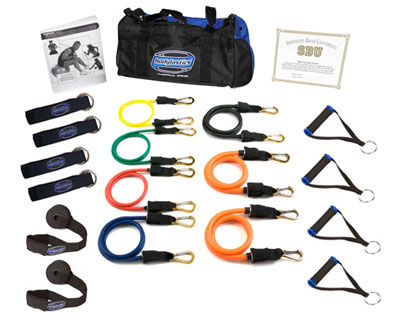
RESISTANCE BANDS: These take up a little more space and are a little heavier BUT... offer you a chance to do standard resistance work on the move. Again, they are really versatile and can offer you a different workout with improved time under tension if used correctly.

USE YOURSELF:
Alternatively, body weight workouts can be highly effective and challenging too. Plus, it's probably something a little different to your normal exercise regime so it might be a refreshing change for a couple of weeks while you're away.
There's loads you can do and plenty of people on YouTube have pieced together workouts for you to follow too. Check this one for a few bodyweight ideas: https://www.youtube.com/watch?v=R819KfRrRe0 

Or, if there's a kids park nearby you have even MORE exercise options available to you. Like this park workout: https://www.youtube.com/watch?v=td4tRul_u5w

STAY ACTIVE:
Whether you decide to have structured "workouts" on holiday or not, it's important to try and stay active on holiday. Walk, swim, climb, play, crawl and play. Rest is important but stopping your body from moving freely as it should is an absolute no-no.

QUICKFIRE GYM CIRCUITS:
If you're on holiday it's usually hot (you'd hope) - which might be bad for exercising. However, the gym hotel is usually empty - which is good for exercising. Why not make the most of this rarity and put together quick gym circuits? You can blitz through a number of exercises quickly and have the rest of your day to relax and enjoy your holiday.
Be creative: recently on holiday I set a timer up for 30 secs work, 15 secs rest. I had a spin bike, my body and a single dumbbell that was about 10kg. During the working 30 seconds I simply alternated between the spin bike and a bodyweight or dumbbell exercise. I soon worked up a sweat and covered all major muscle groups and movements in 20 minutes or so. Then a recovery swim in the sea - beautiful start to the day!

THE FOOD STUFF:
Remember: "you can't out train a bad diet". So while cake and pudding might seem tempting at breakfast, lunch and dinner, aim for a MINIMUM of 50/50 as a good/bad food ratio. Be aware of what you're consuming. Try to avoid unnecessary sugars and aim for the high protein options at all times.
 
Also: remember to drink plenty of water. Not JUST when you're dehydrated by sip it throughout the day and remain hydrated; especially with the increase in temperature and alcohol levels that you might be consuming.
 
REMEMEBER... YOU'RE ON HOLIDAY!!!
 
Don't let health and fitness ruin your fun. But likewise... don't let your fun ruin your health and fitness!
 
Don't forget to follow me on Twitter (@MichaelD_PT) and YouTube

Wednesday, 18 March 2015

The Importance of De-Loading


Only in recent years have I recognised the importance of a "de-loading" week and it's something I continue to struggle to get others on board with at times. Bit by bit though some of my clients and friends are getting on board with it should the intensity of their training require such a thing.


So what is it? And, why is it so important?


What is de-loading?
De-loading is a principle whereby you spend a period (usually a week) deliberately reducing your training volume and intensity, working with lower loads in the gym. No personal bests this week and no ego allowed. It's based on the theory of "Supercompensation" ( Explained Here ).


What are the benefits of de-loading?
De-loading allows:
- A rest for your Central Nervous System (CNS)
- Improved recovery and repair in key joints and muscle groups by lessening the load they endure for a week
- Full recovery in order to allow supercompensation to occur
- You can focus on weaker areas and accessory work
- Time to focus on your technique and tweak it under a lesser load
- A chance to experiment with new exercises and exercise variations


How should I do it?
The general consensus is to use no more than 60-70% of your maximum loads throughout the week. Also reduce the volume of work for your week ie: Less sets and less sessions ideally. However, I also like to try and focus more on some isolation work and also some accessory work to compliment your later workouts. For instance, some people may have weaker triceps that let them down during pressing work so focus on that. Or perhaps an imbalance or lack of lower body stability. Or mobility issues that can be addressed. Use the time to focus on improving yourself and addressing some of the issues that you usually try to "work around" / ignore.


Things to be aware of:
While I've just been singing the praises of de-loading as it has helped me HUGELY, it's not for everyone. There are some things you need to consider:


1) De-Loading is not for everyone if A) You don't do enough: Not everyone has a training schedule with an intensity great enough to warrant a de-loading week. The average gym member uses a gym 0.9 times per week (yes, less than once!) so if you're doing 1,2,3 or even 4 gym sessions per week then you probably (probably!) don't need a de-loading week. If you're doing more than 4 sessions per week or working with a strict strength focused protocol then a de-loading week might be beneficial to you every 4-6 weeks.


De-Loading is not for everyone if B) Your recovery rate is superior: We aren't all built the same and every person will recover from exercise differently. Just recently I had my DNA tested (article on that to follow) and my suspicions were confirmed: I have an extremely slow recovery rate and high susceptibility to tendon related injuries. Therefor, it would be impractical for me personally to expect to follow an intense training regime without giving back to my body and expect to avoid injuries and make regular progress.


2) De-loading should not always be penned in: It's important to not be too regimented with your de-loading. If you're feeling great and you're feeling strong then carry on. Planning a strength cycle or training cycle that allows for a de-loading week every 4-6 weeks (usually nearer 6 weeks) is a smart idea, but, at this stage if you don't need it, don't feel obliged to de-load; it can wait a week or 2.


3) Deloading is for prevention rather than cure: At the other end of the spectrum is this. Don't wait until your body is broken and you're injured before you de-load. De-loading is a short prevention solution, not a cure for a body that's damaged and broken.


THE KEY:
So they key that I want to leave you with is this:

You must, must, MUST learn to "listen to your body".


This is easier said than done and can take years to master. Be aware of energy levels, how the weights feels (monitor the weights you use and be aware when weights suddenly feel heavier), tension and mobility restrictions, aches and pains.


If you're aware of these things and aware of subtle changes or regressions in these areas then you'll soon know when de-loading should be introduced.


Don't forget to follow me on Twitter (@MichaelD_PT) and YouTube

Thursday, 19 February 2015

The Power of Habits


I have a saying that I use with some people:

"Most of what we do in life is a habit."

That's to say that the majority of people (not all) are in the career they're in, not because they actively chose it but because they've ended up there, they eat the food they eat because "it's just what I eat" and heck, some people are with their life partners because they seemed to "end up with them." They're living by their habits.

High aspirations, I think not...

If you repeat something often enough it becomes a habit rather than a conscious thought.

I saw a quote recently:
"Nobody ever wrote a plan to be broke, fat, lazy or stupid..."

And that's exactly my point. Much of the life we posses has come to us not by proactive mapping of our life, aspiring to various milestones along the way and moving along stepping stones towards an end goal. instead, they have come as a result of our habits; habits that we haven't intentionally chosen with an end goal in mind. But what if we looked at these habits and made a conscious effort to amend them in order to impact our future selves?..

By proactively choosing your desired outcome, you can put in place some conscious actions which eventually, become your habit.

It was Aristotle who said:
"We are what we repeatedly do. Excellence then, is not an act, but a habit."

Start with something obvious - your physique. Do you look exactly how you want to look?

You look the way you look not by accident or chance, but because of your choices, lifestyle and habits.

If you can actively change your mindset, alter your actions I guarantee your body will follow. Here's what I mean....

THE POWER OF 21
It's said that in order to form a habit, you need to do something 21-28 times consecutively (depending on who you ask). The key part here is consecutively. Too many people try to alter their eating habits and weekend one comes around and shock horror they've picked up on the term "cheat meal" / "treat meal" and they're knocking back McDonalds like it's about to go out of business. At this stage you cannot have a cheat meal - you do not have the habit of healthy eating yet. Therefore, this isn't a "cheat meal" - it's simply your normal habits rearing their unwelcome face again.

PLAN OF ACTION
If your current diet is your issue set that as your 21 days to focus on it. Some people may call it a "detox" but I look at it from a different point of view. Don't do it with the intention of detoxifying your body (as if that's just a 3 week process), do it with the intention of switching your mindest and, as a result, your bodies setting to healthier habits.

ABSTINENCE MAKES THE HABIT GROW STRONGER
For 21 days, allow yourself no treats, no alcohol, no sweats, nothing that you probably describe as "exciting" or "fun". You're not a dog - get your excitement elsewhere - not from food. "But it's boring not drinking"... I tell you what is boring: trying on clothes and nothing fits properly, being in a group of friends and feeling conscious of the way you look, feeling uncomfortable every time you might need to reveal certain body parts in front of people, looking at yourself in the mirror and not liking what you see - THAT'S boring!

WHAT TO EXPECT
Week 1 - Immediately you will have the "forbidden fruit" feelings. Just because you've consciously said, "I can't have it", you want it even more. This is natural and will only last a couple of day. Change your mental approach and rather than say "I want it and can't have it."
Say: "I CAN have it... but I choose not to."
Week 2 - Now you ACTUALLY want it. Week 2 is the tipping point. Most people can make it here fairly comfortably; it's those that strive to conquer week 3 that actually change their habits with any longevity.
Week 3 - Defeat week 3 and you're there. You should really start to notice a change in what your body is saying to you. For instance, if you've managed to swap your daily bowl of (not so) Special K for 21 breakfasts of eggs and turkey then your desire for the old breakfast should have depleted. You probably aren't craving alcohol by now and, you might EVEN be considering adding on week 4... GO FOR IT! The longer you can abstain during your habit building phase the better!

SUSTAINABILITY
Don't worry - this isn't forever.  But... It's not a short-term fix; it's an intensive period designed to adjust your bodies cravings by adjusting your thoughts and actions. This should allow you to take better control of your eating habits and build an awareness of your habits and eating cravings or desires. You may even choose to re-visit this technique later in the year if for some reason you've fallen back into old habits (often after Christmas, a stag/hen do, a holiday or even a festival).

This isn't designed to be sustainable for the rest of your life. You are going far beyond what you would do on a daily basis. For these 3-4 weeks you might even live what you consider to be an unsustainable lifestyle. That's fine - it's just a few weeks!

If you DO manage to make significant changes to your habits then that's great. You can now move on and apply the same method to other less desirable habits. For instance:

- How often you visit the gym

- Drinking habits
- Smoking
- Sleep patterns
- Attitude and positivity
- Confidence through self affirmation

The possibilities are endless! Go forth and explore the power of 21!!!

Here E.T / Eric Thomas aka: "The Hip Hop Preacher" talks more about "The Power of 21"
https://www.youtube.com/watch?v=xBtz7TUwkdA

UFC Commentator and all round spiritual guy, Joe Rogan puts it slightly differently (including some rude words) but take note, particularly his points on the benefits of exercise and his final point "The brain is the general, the troops are the body..." Spare 4 minutes and watch this
http://educateinspirechange.org/health/need-motivation-exercise-get-shape-listen-joe-rogan/


Thursday, 1 January 2015

15 Training Tips For Beginners


Start of a new year, all the gyms are going to be full, all the gym-regulars are going to moan about how busy the gym is, how crowded the changing room is, how there's nowhere to park and how someone they don't recognise keeps blocking their down light and mirror spot!
 
BUT... what if you're NOT a gym regular? What if you've never REALLY set a foot inside a gym, followed any structured gym program or been "shown the ropes" by anyone other than that big guy at the gym? Then read on friend:
 
If the gym is a new phenomenon to you, here's how you should start out:
 
1. Learn to move
This is number one for a reason. It's easier to learn something than it is to re-learn something; so get your fundamental movements nailed before you even think about lifting a significant weight. Learn the key "rules" to effective squatting, hinging, lunging, pushing and pulling. Do that and you'll be able to make the most of your gym time in a safe and effective way. You'll also be better than most people in the gym!
 
2. Get professional help
Don't just rely on the biggest guy at the gym for advice. Their experience and years of training will mean their demands and approach to training should be distinctly different to yours. A professional trainer will be able to offer you specific coaching for your needs and teach you all of the fundamentals mentioned above. You don't have to stay with them forever, but invest in yourself and your body and think of them as lessons or tutorials so that you can then make the most of your time in the gym when you go it alone. You wouldn't just buy a car and "figure it out" without driving lessons (and cars are replaceable!); so why would you do that with your body?
 
3. Don't start with machine weights and move on to free weights
Many people see this as the "safer" option. However, what it doesn't do is teach you good movement patterns and good exercise habits in terms of recruiting and engaging relevant muscle groups for stability and control. You may well use some resistance machines but, leave these until the end of the session when you're more fatigued. You don't need enormous weights, but the benefits of free weights will always out-weight resistance machines whatever your end goal.
 
4. Avoid CrossFit
CrossFit might be "cool" but it requires a lot of coordination and athletic prowess to perform it safely and effectively. Don't try and run before you can walk. If you're relatively new to the gym, this isn't for you.
 
5. Don't "get a bit fitter first"
This is a strange one that I've never understood but still hear it a lot. People think "before I go to a gym and get fit and healthy, I'm going to try and get a BIT fit and healthy".!?! Excuse me?.. By this they usually mean that they're going to churn out some running first for a few weeks. If you're after reducing your body fat then running probably isn't the best thing for your out of condition body nor the quickest way to reduce your body fat. For this, read the next point below.
 
6. Combine resistance work and cardiovascular work
If you want to improve your body composition, improve your cardiovascular system and become stronger and more robust with a better metabolic rate then you need cardiovascular work AND resistance work. Whatever your age, gender, aims and abilities this is true to some degree. While the ratio and balance of each will vary, the message will not - don't put all your eggs in one basket.
 
7. Avoid JUST group exercise
More accurately, I'd say avoid group exercise all together. At least initially. in my mind, group exercise is often contradictory as it can't cater for all abilities. Classes are getting tougher and tougher to challenge the regular attendees and numbers are so great, that you can't expect quality 1-2-1 attention and coaching from an instructor. If you're new to the gym it's likely that you won't follow good form (particularly under fatigue) so group exercise may, accidently, cause you more damage than good. Spend some time with a personal trainer and learn the fundamentals (mentioned in point 1) before throwing yourself into high intensity semi-supervised exercise.
 
8. Train your body - Not your ego
This can be a tough thing to do, particularly if you're 16 and trying to impress potential life partners. However, don't chase heavier weights at the peril of your technique. Work within your capabilities and focus more on mastering the movements than setting personal bests every time you enter the gym. Take your time. The great news for you is, if you're new to the gym then gains and improvements will come relatively easy to you compared to others that have exercised already for year. trust me when I say: You'll find you get WAY more benefit from doing something correctly than incorrectly but with a heavier weight.
 
9. Train your entire body
Avoid doing things like an "arms day" and instead focus on the movement in section one. At the early stages of training you won't need such an intense stimulus for growth. If anything, you're likely to cause more discomfort than you're happy with and hamper future sessions (see point 12). Try to include plenty of lower body work too; let your body grow and develop in an even and balanced ratio to speed up results and lessen the likelihood of injuries.
 
10. Give back to your body
Regular exercise is probably a new concept to you. No matter what your age, you need to give a little back and take care of your body. Think of it as fire prevention rather than fire fighting. You don't wait until your car breaks down before you put oil in it and expect it to run. Here's some tips on how you can take care of your body: http://michaeldarren.blogspot.co.uk/2013/08/10-ways-to-take-care-of-your-body.html
 
11. Take your time
Don't expect overnight results. Don't expect to look like the guys and girls in the gym or on the magazine covers just yet; they've probably been training and eating well for years. Be consistent and committed and your results will come,. You will get back exactly what you put in so be honest with yourself.
 
12. Don't over-do it
This is very "un-me" as any of my clients will tell you. However, if you're relatively new to the gym you're in a unique position. This is make or break time and you're in a psychological minefield. Try (as hard as it might be) to not go all guns blazing on week one. Avoid training for 3 hours at a time every day doing every single exercise that you know. The likelihood is, you'll be sore all over, you'll hate the soreness, miss other aspects of your life (like staying in an watching TV all night), you won't see any immediate results and so you'll get disheartened and pack the entire thing in! Trust me - this happens a lot! Instead, set yourself a realistic and sustainable gym programme (limit yourself to an hour) and weekly schedule, stick to it for 4 weeks or so before adding or adjusting it.
 
13. Don't overlook your diet
As the old saying goes: you can't out train a bad diet. You're now going to be putting in a lot of effort with your new exercise regime, make sure you get the most from it by eating foods to enhance your results. Seek professional nutritional guidance but, for now: avoid sugars and processed foods and try to prepare all meals in advance. Don't say "I don't have time." If you have time to watch TV then you have time to prepare your food. Prioritise.
 
14. DO overlook supplements
Supplements are exactly that: a supplement to areas lacking in your diet. They are not the be all and end all, the missing link or the magic pill you "need". Exercise and eat well and you'll be doing enough for now. You may experiment with supplements at a later date but first off, find out how your body reacts to your new diet and exercise regime. Change everything at once and you won't know where the changes are coming from.
 
15. Enjoy yourself
Initially the gym may be a bit of a slog but make sure you look around, educate yourself and ask enough questions to find a way to make the experience enjoyable. Sure, it's hard work but there's plenty of variations you can add to exercise and the equipment you use in order to make it a little more interesting and enjoyable. If you don't enjoy it at all, you probably won't stick to it!
 
To Summarise...
 
Things to focus your attention on:
  • Movement
  • Technique
  • Full body movements
  • Mobility
  • Nutrition
  • Enjoyment
Things NOT to focus on:
  • Competition
  • An entire session of arms
  • Just cardio
  • Just weights
  • Supplements
Don't forget to follow me on Twitter (@MichaelD_PT) and YouTube


Monday, 1 December 2014

Christmas is a time for giving... Here are some free workouts


With the festive season just around the corner, I wanted to give you all something from me.


Christmas time can be a common time for people to fall off the wagon in every unhealthy way imaginable. Late nights, extra alcohol, extra food, extra chocolate or nibbles and no exercise.


I can't stop you from doing ALL of that, but what I wanted to do was offer you 10 quick workouts that you can do in or around the house.


Ideally, you would drag yourself to the gym. But, if you're not going to do that, you could at least spare 20-30 minutes to do some of these at home over the holidays.


As a promise, I'm going to do each of these as a MINIMUM this holiday just to up my activity levels.


I HOPE some of you might take these and give them a go; if you do, let me know how you get on.


I'd ALSO like to remind you of this handy article which explains how you can approach Christmas in order to limit the damage you cause yourself: Brilliant Christmas article - click and read!


WORKOUTS


WORKOUT 1 - 22 mins
Set your watch or timer for 10 minutes. Leave your house and run as far as you can in 10 minutes. Don't think too much about where you're running, just run in the most continuous and straight way you can. When the alarm goes, stop and rest for 2 minutes. After that, reset the alarm and try to make it all the way home in 10 minutes.


WORKOUT 2 - 20-25mins
Set a time to go off every 30 seconds for 20 minutes. You'll work for 30 seconds, rest for 30 seconds and carry on until you complete 4 or 5 rounds
A1) Press Ups
A2) Bodyweight Squat or Jump Squats for more advanced
A3) Mountain Climbers
A4) Plank
A5) Alternating reverse lunges while raising your arms and opening your shoulders


WORKOUT 3 - 20 mins
Set your timer for Tabata (20 secs work, 10 secs rest). Perform each of these exercises against the Tabata timer until you have completed all 8 sets of 20 secs. Then, rest a full minute and move on to the next exercise.
Exercise 1: Mountain Climbers
Exercise 2: Burpees
Exercise 3: Plank-Push Ups / Suicide Push Ups
Exercise 4: Kneeling - squat (do a squat, climb down to kneeling position, and back up, squat and repeat)


WORKOUT 4 - 21 mins
Set your timer to sound every 60 seconds for 21 minutes. Start each exercise when the buzzer sounds and rest for the remainder of the minute. For examples, if the exercise takes you 30 seconds then you still have 30 seconds rest. But, if it takes you 50 seconds for example, you only have 10 seconds rest until your next exercise. Speed is of the essence. Complete 7 rounds of these 3:
A1) 10-15 press ups and reach. As you come up from the press up extend your arm and the opposite leg and hold at the top position for a second. Change arm and leg each repetition.
A2) 20-40 Mountain Climbers & 5-10 Crunches
A3) 10 reverse lunges or 16 Jumping switch lunges


WORKOUT 5 - 21 mins
Set your timer for 30 second intervals. Complete each of these exercises for 30 seconds and rest for 30 seconds. https://www.youtube.com/watch?v=R819KfRrRe0 


WORKOUT 6 - 22 mins 
Repeat the 20 minute run in workout 1 and aim to run further.


Workout 7 - 15 minutes or so
Bodyweight complex - do 1 repetition of each of the exercises below in this order. Keep going until you have completed 8 repetitions of each. That's 1 set. Then rest for 60-90 seconds and repeat it again until you have done 3 sets. ie: by the time you've finished, you will have completed 24 repetitions of each exercise by doing 3 x 8 reps. Make sense?


A1) Squat
A2) Reverse lunge each leg
A3) Burpee
A4) Press Up
A5) Lower Back Extensions
A6) 8 mountain climbers
A7) A "pop up"
That's 1 rep.


WORKOUT 8 - 11mins
Roxanne Challenge: Play the song "Roxanne" by The Police. When they sing the words "Roxanne" perform exercise 1. When they sing "Put on the red light" perform exercise 2. Rest for 2 minutes and then try it with the next exercises.


A1) Press Up
A2) Up/Downs or Plank-Push Up or Suicide Push Up (whatever you want to call it)


B1) 2 x Squat Jumps
B2) Burpee


WORKOUT 9 - Ladder: As fast as you can without rest
A1) 10 Press Ups
A2) 10 Squats
A3) 10 Lower Back Extensions
A4) 10 Burpees
A5) 10 Crunches


Then 8 of each, 6 of each, 4 of each, 2 of each, and finish with 10 of each.


WORKOUT 10 - 20 mins
Set the timer for 30 second intervals. Work for 30 secs, rest for 30 secs.


A1) Press Ups
A2) Plank
A3) Squats
A4) Left Side Plank
A5) Split Squat - Left leg Forward
A6) Right Side Plank
A7) Split Squat - Right leg forward
A8) Plank
A9) Lower Back Extensions
A10) Left Side Plank
A11) Plank Crawl Outs
A12) Right Side Plank
A13) Burpees
A14) Plank
A15) Mountain Climbers
A16) Left Side Plank
A17) Crunches
A18) Right Side Plank
A19) Straight leg Raises
A20) Plank


There you have it - 10 workouts - all under 30 mins and all without equipment.


make it your challenge to do at LEAST these over Christmas. I'm going to make a start on them December 20th or there abouts to finish them this month. I'll be moaning about them on Twitter.


Enjoy.


Try them out and let me know how you get along.

DON'T FORGET: You can follow me on Twitter (@MichaelD_PT) and YouTube

Wednesday, 12 November 2014

There is literally NO excuse for eating badly


So before you read the headline and think I'm either unrealistic, militant, a moron or all three, read on.


I'm not asking you to never eat a chip again, never touch alcohol again and never touch another Haribo (I know I could never fully say "bye" to my friend Mr.Haribo).


What I AM saying is there is ALWAYS a choice. So when people say: "I know I'm going to eat badly this week because of...." then that's fine. But that's your choice.


Make the choice: Do you want to carry on optimising your training 100%? Or do you want a beer? Do you want to continue to make steady progress in reward for all of your hard work? Or, do you want some chips?


Neither is necessarily the "wrong" answer. But don't tell me how badly you want to lose weight the day before you eat a tub of Ben and Jerry's because you had organised to go the cinema so it was inevitable.


Obviously there will be times where you turn to the dark side and eat something from the less desirable list. But, use a little forward planning, know when these are and then avoid other easier and less appealing slip ups.


For instance, you're heading out for a meal with your partner and you're looking forward to a drink before hand and probably pudding after. Fine, but knowing this is coming you can't just grab some breakfast on the way to work which ends up being a croissant and a coffee, grab a sandwich and a bottle of coke at lunch and then some sweets for an afternoon pick-up. If you're booking in some slip-ups, you need to be flawless before and after.


Here's some ways to spot these hurdles and some choices you can make. Do them all and you're a far better person than me. Avoid the majority and you're likely to be doing better than you are now:


"I have to go out for dinner"
That's fine and no one would expect you to stay in and never venture out for food. There's usually a varied menu at most places you visit and, if you really want to focus on your food choices, you can ask for a tweaked version of the listed meal. For instance, if you're at an establishment that seems to believe chips are an essential addition to any meal, then simply ask them to trade the chips for additional vegetables. No one will blink twice at the request and you won't even be faced with the temptation of chips on your plate. Of course, there will be some restaurants that you deliberately visit for an unhealthy food option such as a pizza place or your favourite burger and beer combo. But... if that's the case be sure to consider that as a treat to yourself and not a "go-to" dinner. Also, be sure to make sure your food before this meal is outstanding. If you can, try to exercise that day. Exercise has been heavily linked with improving decision making around food choices.


"I was in and out of meetings all day"
This is a common one and often an excuse for "grabbing a sandwich on the go". Instead, why not prep your food the night before and eat it in instalments between meeting. You must get 5 minutes surely? Another idea is to have a casein protein shake just before your meeting. It will keep you fuelled and alert through longer meetings and also supply protein to your body over a prolonguied period. Finally, if it's not a bit Captain Keeno, why not make healthy protein snacks? 1) Your boss will love you, 2) You can eat healthy snacks throughout and not be forced into picking at junk.


"I don't have time for breakfast in the mornings"
Simple. Wake up earlier. Breakfast doesn't need to take hours to create. You can make and eat a nutritious breakfast such as scrambled eggs with mushrooms and turkey (my favourite) in a matter of minutes. There's no excuse! If you're tired in the mornings then go to bed earlier. Or, just stop moaning, get up and make your breakfast while you're tired and get on with it. You want to be in better physical shape? But not as much as 15 minutes more sleep? You obviously don't want it that badly.


"I don't have time to prepare my lunch"
Prepare it the night before. Either cook extra dinner and put that aside for lunch the next day or just take the time to prepare your lunch before you settle down for the evening. You DO have time, it's just a case of identifying the time and addressing the issue in advance. Remember: Tupperware is your friend!


"I don't get home from work until late"
Your problem is similar. The solution is: preparation. While you're happy to wait a few minutes for your microwave meal to cook or for your take away to be heated and delivered this time could easily be spent cooking a quick meal such as grilling some basic meat that you had ready to use. It's perfectly manageable; it's just a case of if you can be bothered or not.


"They only serve junk food"
If you know that you're heading somewhere with poor food options, perhaps even your workplace, then you'll need to prepare your own food. The easiest option is to take left overs from last nights dinner. Failing that, you'll need to find 5 minutes either the night before or in the morning to throw together something to take with you.


"I had to take clients out"
Often people will use client entertainment as a green light to let lose with food and drink. While you don't want to make people feel uneasy or appear boring and unable to let your hair down, ask yourself: would they ACTUALLY care if I didn't drink? If you can avoid mid-week drinking or drinking for the sake of it on a regular basis this will have a huge impact on body composition and dietary choices. If you think you might be pressured into drinking why not drive and use that as your excuse for not drinking? They're unlikely to put pressure on you throughout the evening to drink then. Just as above, if it genuinely is unavoidable, take this into consideration with your food and exercise regime in the time before and after your client night out.


"I'm flying that day so can't control my food options"
This one is tricky but again, if you REALLY don't want to let things slip you have choices. many long-haul flights won't allow you to take food produce into another country. However, if you eat the food in the air they won't mind. This means that you can prepare all of the food you want and eat on-board. Alternatively, make sure you're fuelled pre-flight by eating ahead of time and even having a casein proteins hake or bar on flight or just before hand for high quality, slow releasing nutrients.


"My family won't eat healthy things if I cook it for them"
Firstly, if they're children, yes they will. Children learn from their environment and only understand from experience. If you don't make a big fuss about it and even try to make interesting meals with fresh produce then they can be enjoyable and the children won't think anything of it. If the problem (child) is a little older or your partner is the issue then either try to cook something a little more diverse (millions of options online) or cook separate meals. Don't suffer failure as a result of someone else's narrow mindedness.


As I said, you're unlikly to stick to all of these examples in your life but, be aware of them before they arise and plan around them where possible rather than accepting them and falling at the first hurdle. All it takes is a little foresight and a hell of a lot of will power... That's all!

Don't forget to follow me on Twitter (@MichaelD_PT) and YouTube